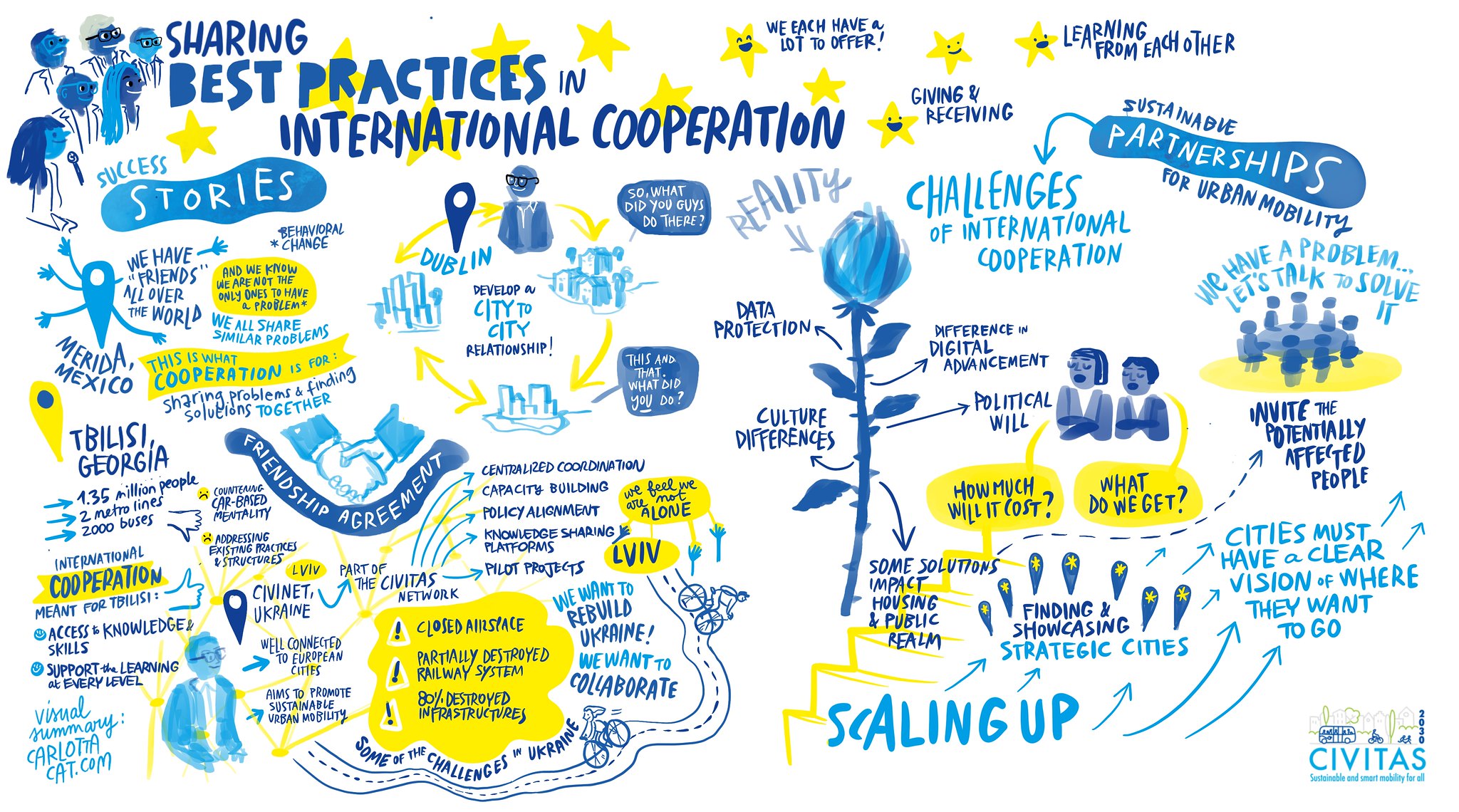
On October 1st, the Senator project participated in the esteemed CIVITAS Forum 2024, a hallmark event in the urban mobility calendar, held this year in the vibrant city of Parma, Italy. The forum brought together a diverse array of stakeholders, including city planners, policymakers, transport operators, and researchers, all dedicated to fostering sustainable urban mobility solutions within the CIVITAS Initiative framework.
The CIVITAS Forum serves as a critical platform for dialogue and collaboration among key players in the field of urban mobility. It offers participants a unique opportunity to connect, share experiences, and tackle pressing challenges through knowledge exchange. This year’s theme highlighted the importance of innovation in achieving sustainable, efficient, and inclusive urban transport systems. Attendees were treated to a rich program of presentations, discussions, and workshops, showcasing pioneering initiatives and best practices from across Europe.
The Senator project was proud to be part of this dynamic event, participating alongside numerous other European projects and initiatives such as AMIGOS, CodeZERO, DECARBOMILE, DISCO, GEMINI, GREEN-LOG, metaCCAZE, REALLOCATE, SCALE-UP, SPINE, SUM, UNCHAIN, UPPER, and URBANE. This collaborative environment underscores the collective commitment to advancing urban mobility and addressing the challenges faced by cities across Europe.
Exploring Innovative Data Solutions for Urban Transport Challenges
:
Integral to the forum were several parallel sessions focused on three thematic areas or streams: Climate-neutral and resilient mobility; Smart, connected, and efficient mobility, and Inclusive and safe mobility for all.
Represented by Dublin City Council, the Senator project contributed valuable insights during Session 11: “Leveraging Data Integration for Seamless Mobility and Logistics,” part of the “Smart, connected, and efficient mobility” stream. This session aimed to explore how data integration can facilitate more efficient and effective urban logistics, showcasing the crucial role of technology in transforming urban transport systems.
In this context, Payal Pandya, Business Analyst and Project Manager at Dublin City Council illuminated the key challenges encountered in the two Urban Living Labs in Dublin and Zaragoza, highlighting the lessons learned and the paths forward for successful implementation.
Navigating Obstacles: Key Challenges from the Senator Urban Living Labs
:
The challenges encountered in the Urban Living Labs (ULLs) of Dublin and Zaragoza as part of the Senator Project provided valuable insights that may inform and guide future urban mobility initiatives. By addressing issues related to IT integration, data anonymization, and operational workflows, the Senator project has developed practical strategies that can enhance the effectiveness of similar initiatives in various cities.
Challenges in Dublin’s Urban Consolidation Centre Simulation
:
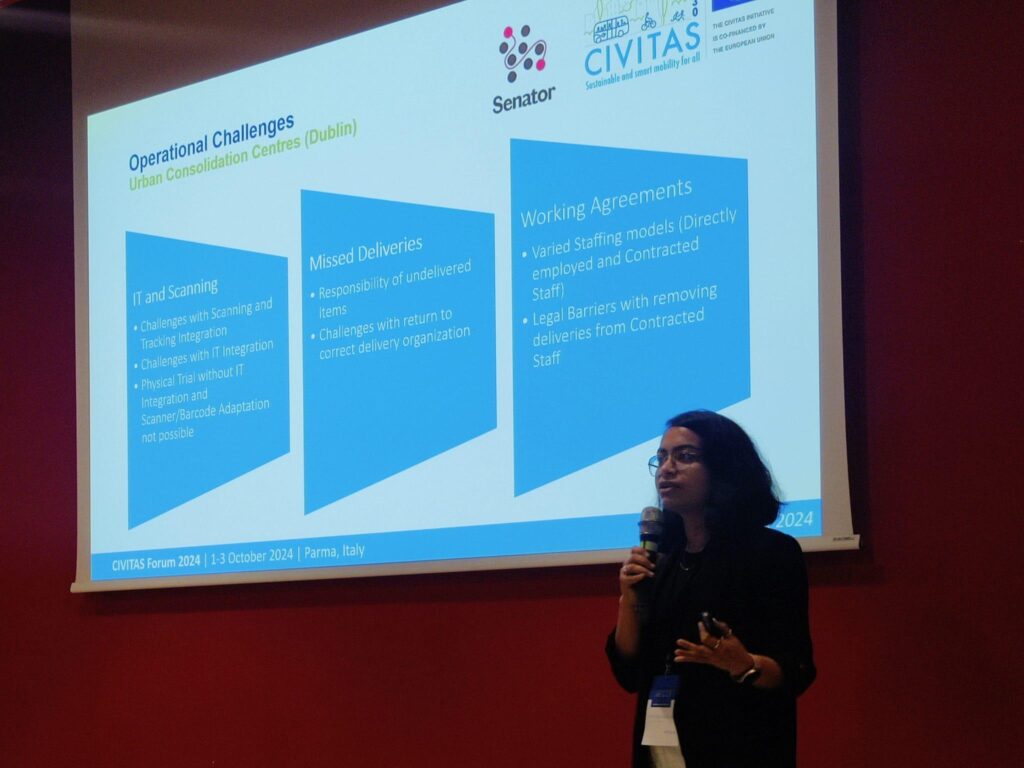
Dublin’s Urban Consolidation Centre pilot, which focused on a simulation model, provided valuable learning opportunities as it navigated certain operational complexities. Among these were challenges related to integrating IT and scanning systems, offering insights into enhancing effective tracking and data management in future implementations.
Additionally, the management of missed deliveries highlighted the importance of clear communication and accountability among stakeholders, paving the way for improved protocols. The varied staffing models brought to light the need for adaptable operational workflows, encouraging collaborative approaches to problem-solving.
Navigating Data Integration Challenges in Zaragoza ULL
:
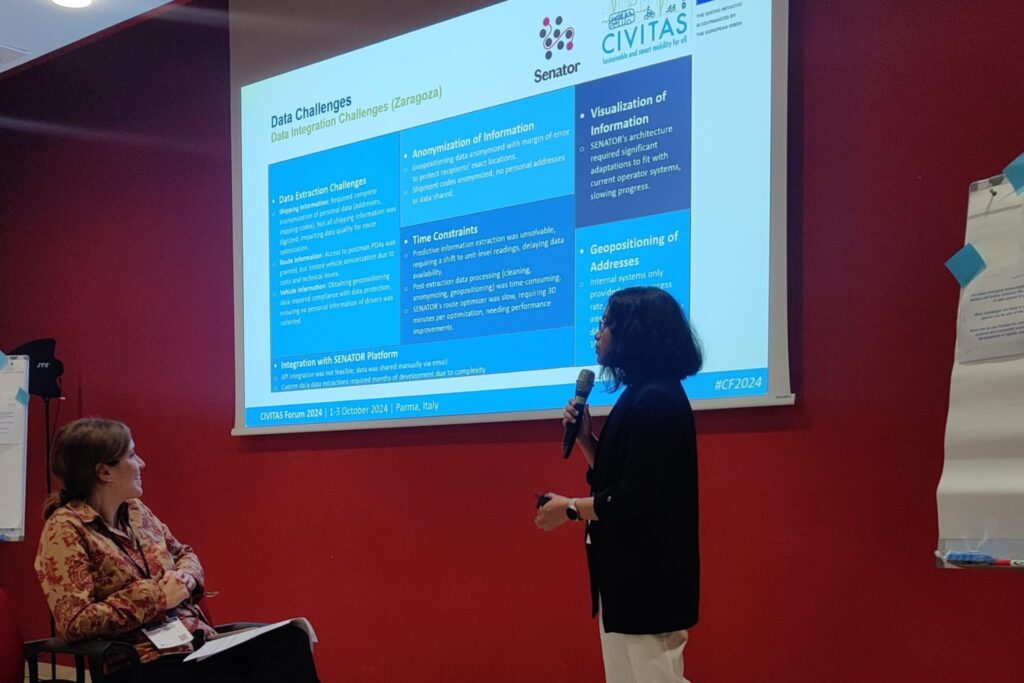
In Zaragoza, the pilot experience revealed important considerations regarding data extraction and anonymization. The emphasis on complete anonymization of personal information fostered discussions on data quality and its impact on route optimization, highlighting areas for enhancement.
The project faced opportunities to improve vehicle sensorization and data collection methods, guided by strict data protection compliance. Moreover, the timeline for data processing encouraged the team to explore innovative integration strategies with the SENATOR platform, identifying avenues for more efficient collaboration moving forward.
Roundtable Insights
:
Following the presentations, several roundtable discussions were organized, which proved instrumental in delving deeper into the case studies and exchanging diverse perspectives among participants. These discussions focused particularly on how data integration can enhance mobility and transport management, providing a valuable opportunity to explore collective improvements in urban logistics for the benefit of all stakeholders.
These interactions underscored the critical importance of collaboration among stakeholders—city planners, transport operators, and technology providers—to ensure a cohesive approach to implementing urban mobility solutions. By sharing best practices and lessons learned, we can cultivate a culture of innovation and resilience, enabling cities to navigate the complexities of sustainable mobility more effectively.
As we move forward, the Senator project is committed to fostering collaboration with all parties involved in urban implementation processes. By harnessing our collective knowledge and experiences, we can work together to develop more sustainable, efficient, and inclusive urban transport systems that meet the needs of all citizens.